E-Bikes and E-Scooters: What you need to know

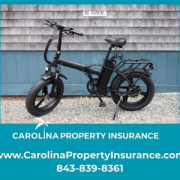
Electric bikes, electric scooters and low-speed vehicles (LSVs) are growing in popularity. Between 2018 and 2022, which is the latest available data, sales of e-bikes rose from approximately 250,000 per year to more than one million, while the rentals of both e-bikes and e-scooters also increased dramatically, according to the National Association of City Transportation Officials (NACTO).

As the use of these personal micromobility devices (PMDs)—defined as lightweight, micro-sized vehicles with limited power and speed, used over short distances—continues to grow and evolve, emergency rooms are seeing many more people injured while riding e-bikes and e-scooters.

While e-bikes and e-scooters offer a convenient and eco-friendly mode of transportation, there are downsides to their use, with more than 20,000 people injured each year while riding an e-bike and approximately 3,000 requiring hospitalization, according to the American College of Surgeons.

The growing popularity of these devices also presents carriers with liability challenges. “E-bikes and scooters are increasingly popular, and many models now reach speeds comparable to mopeds,” says Laurel Page, assistant vice president, recreational product management, American Modern, a Munich Re company. “These vehicles present unique risks, including severe accidents, theft and battery-related fires.”

Crucially, “most homeowners and renters policies exclude motorized vehicles, leaving significant coverage gaps,” she says. For agents, this presents an opportunity to work with carriers and clients to bridge the knowledge gap and ensure their clients have the necessary coverage or are aware of the exposure.

“Customers may not immediately think about e-bikes, dirt bikes or scooters when discussing their insurance needs, so, as a first step, agents should ask about ownership of any of these types of vehicles,” says Scott Hall, motorcycle product manager at Progressive Insurance. “That simple question can open the door to a meaningful conversation about why coverage matters, highlighting liability risks, potential financial impact from an accident and the protection insurance can provide if the vehicle is stolen or damaged.”

As usage increases, the concern is that many users are unaware of the risks and potential gaps in coverage. “In reality, homeowners policies often exclude motorized vehicles or provide limited coverage only while the vehicle is on the insured property, and the policy may indicate a sublimit for e-bikes,” Hall says. “Even when coverage does apply, homeowners should consider the potential impact to their premium if they file a claim related to an e-bike.”

“Consumer misunderstanding can lead to two problems: owners either go uninsured or mistakenly believe they’re protected, only to face unexpected gaps and financial consequences later,” Hall continues. “Agents can play an important role in educating consumers on available coverages under existing policies, any limitations and the benefits of a standalone policy.”

As trusted advisors, agents can explain why homeowners and auto policies don’t adequately protect e-bikes, scooters, golf carts and dirt bikes.

These include highlighting “the problems one might see on an endorsed homeowners policy, excluding guest passenger liability and uninsured or underinsured motorists’ coverage. These are auto coverages recreational vehicle owners might expect to have,” says Eric Uturo, product manager, Foremost – a Farmers Insurance Company. “A recreational vehicle insurance policy from an insurer specializing in this type of insurance can help customers avoid potential coverage gaps.”

Additionally, “these products have many small manufacturers and parts producers, which can cause complexity for non-specialized insurer claim departments,” Uturo says. They can also “promote standalone policies that offer dedicated protection for liability, damage and theft without impacting homeowner policy claims, as well as comparing multiple carriers to deliver the best combination of coverage and price, reinforcing their role as a trusted advisor,” Page says.

Additionally, by keeping up to date on technological changes within the market, as well as the changing rules and regulations around e-bikes, e-scooters and LSVs, agents can help alleviate carrier concerns when it comes to scenarios, such as “misclassification” by “treating motorized bikes or scooters as standard bicycles—leading to inconsistent underwriting and unrecognized risk,” Page says.

Identifying and highlighting risks, such as “high-speed models increasing injury severity, expensive components and lithium-ion batteries introducing fire hazards that require specialized coverage, as well as varying state regulations creating complexity and uncertainty in policy design,” Page says, can add to the valuable role agents play for both carriers and their clients.

Submitted by: Big I Independent Agents
Insuring Your Boat & Staying Safe

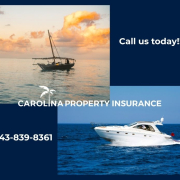
Insuring Your Boat and Staying Safe on South Carolina Waters 

South Carolina’s waterways are a way of life—from coastal marshes and inlets to rivers and lakes across the state. Boating brings freedom and connection to the outdoors, but it also comes with responsibility. 

With South Carolina ranking among the top states for registered recreational boats, proper insurance and safe boating practices go hand in hand. At Carolina Property Insurance, we believe protecting your boat starts before you leave the dock. 

What Boat Insurance Covers 

Many boat owners are surprised to learn that homeowner insurance provides little to no coverage for boats. A dedicated boat insurance policy can include: 

  • Physical damage from collisions, storms, or accidents 
  • Liability coverage for injuries or property damage 
  • Medical payments for passengers 
  • Uninsured or underinsured boater coverage 
  • Optional coverage for trailers, gear, and accessories 

The right policy allows you to focus on safety—not financial uncertainty—if the unexpected happens. 

Why Boater Safety Matters 

South Carolina offers thousands of miles of coastline, rivers, and lakes, making boating activity high year-round—especially in warmer months. While not every accident is serious, many are preventable with education and preparation. 

Common causes of boating accidents include operator inattention, excessive speed, alcohol use, and lack of proper safety equipment. Safe boating is about planning ahead and making thoughtful decisions every time you’re on the water. 

SCDNR Safety Reminders 

The South Carolina Department of Natural Resources recommends: 

  • Completing a boater education course 
  • Completing a training course with a certified instructor 
  • Wearing properly fitted life jackets 
  • Checking weather conditions before heading out 
  • Carrying required safety equipment 
  • Understanding navigation rules and local waterways 

These steps help protect everyone and keep boating enjoyable. 

Insurance and Safety Work Together 

Boat insurance doesn’t replace safe operation—but it does provide peace of mind. Storms, collisions, and liability claims can happen even when precautions are taken. Insurance is your financial safety net; safe boating is your first line of defense. 

How We Help 

At Carolina Property Insurance, we help South Carolina boaters protect their boats, their finances, and their peace of mind. 

  • We explain what your policy covers—and what it doesn’t 
  • We tailor coverage based on how and where you boat 
  • We break down liability risks in plain language 
  • We value education, transparency, and long-term relationships 

Our goal is simple: to help you navigate coverage with confidence—so you can enjoy South Carolina’s waters safely. 

Submitted by: Allison Shaw

Choosing the Right Coastal Agency

Choosing an Insurance Agency That Grows with You—Even When the Coastal Market Changes 

Living along the South Carolina coast offers incredible rewards—from sun and saltwater to boating, fishing, and golf.

Having lived in Georgetown and Horry Counties my entire life, I know those benefits well. I also know that insuring coastal property is never simple—or static. 

In coastal markets, underwriting guidelines shift, carrier appetites change, and inspections, deductibles, and coverage requirements evolve. That’s why choosing the right insurance agency isn’t the quickest quote or the cheapest rate to reach the closing table. It’s about choosing a partner who can grow with you as the market—and your needs—change. 

At Carolina Property Insurance, we believe lasting agency-client relationships are built on values, not transactions. Here’s what truly matters when choosing an insurance agency in a coastal market. 

Coastal Insurance Is Not “Set It and Forget It” 

A policy that worked a few years ago may no longer fit today’s guidelines or tomorrow’s risks. The right agency stays ahead of market shifts, communicates proactively, and helps clients adapt early—before issues arise. Responsiveness and clear communication are essential in a fast-changing coastal environment. 

Growth Looks Different for Every Coastal Property Owner 

Over time, property needs change. Homes become rentals or second residences; renovations alter eligibility, mitigation credits shift, and yes—details like the age of your roof or water heater matter. A strong agency educates first, then offers solutions aligned with your goals, empowering you to make confident coverage decisions. 

This is our client centered approach: tailoring coverage as life and property needs evolve. 

Integrity Matters Most When the Market Is Hard 

Coastal insurance isn’t always easy. Honest conversations and realistic expectations matter. Integrity guides how we advise clients—through transparency, accountability, and clear explanations—especially when the answers aren’t simple. 

Relationships Aren’t Optional in Coastal Insurance 

When inspections raise concerns, renewals change unexpectedly, or storms impact the region; relationships matter. Clients deserve more than a call center—they deserve an advocate who understands their story and navigates challenges with care. Relationship building is central to how we serve our community. 

Strong Agencies Rely on Teamwork 

Coastal risks are complex. Lasting success comes from collaboration. Our commitment to Collaborative Excellence means shared knowledge, consistent service, and long-term stability for our clients. 

How We Help 

At Carolina Property Insurance, we help coastal property owners navigate a changing market with confidence: 

  • Proactive, solution focused guidance 
  • Coverage that evolves with your needs 
  • Honest, transparent communication 
  • Long-lasting relationships built on trust 
  • A collaborative team approach you can rely on 

Our role is simple: to guide, support, and protect you—every step of the way.

  • Submitted by April Jordan